Why a Gin Bar Is the Ideal Place for Group Gatherings
Choosing the right venue for a group gathering sounds simple until the planning starts. One person wants somewhere lively, another wants good food, someone else cares about noise levels, and at least a few people are hoping for drinks that feel more interesting than the standard beer and house wine routine. The challenge is not just finding a place with enough seats. It is finding a setting that makes a mixed group feel comfortable, engaged, and well looked after without turning the event into a logistical headache.
That is where a Gin Bar often stands out.
A well-run Gin Bar has a rare balance that suits groups particularly well. It can feel polished without being stiff, sociable without being chaotic, and distinctive without becoming exclusionary. It offers variety, which matters more than many hosts realize. When people gather in groups, they bring different tastes, budgets, moods, and expectations. A venue that can absorb those differences gracefully tends to create a far better evening than one built around a single-note experience.
Having spent time in hospitality spaces and watched countless birthdays, client socials, team outings, and reunion dinners unfold, I have seen a pattern. Group gatherings go best in places that give people something to talk about, enough flexibility to settle in, and a rhythm that lets the night develop naturally. A Gin Bar, especially one with a thoughtful drinks program and attentive staff, often does exactly that.
The atmosphere hits a useful middle ground
Some venues are too casual for a meaningful celebration. Others are so formal that guests become self-conscious. Group gatherings usually need a middle ground, a space that feels special but still easy to inhabit. Gin bars tend to excel here because their identity is built around craft and character rather than ceremony.
The best ones feel curated. There might be shelves lined with bottles from different regions, glasses chosen with care, and a menu that suggests someone actually thought about flavor rather than simply stocking whatever sells fastest. Yet most gin-focused venues do not carry the pressure that can come with fine dining rooms or members-only cocktail lounges. People can arrive in a jacket after work, in smart casual clothes for a birthday, or dressed up for a milestone, and still feel they fit the room.
That flexibility matters. A group event often includes people who know each other at different levels. Some may be close friends, others plus-ones, colleagues, clients, or family members from different generations. In a setting that is too loud or too formal, those social seams show quickly. In a well-designed Gin Bar, they tend to soften. The environment does some of the work for you.
Lighting plays a bigger role than most people think. Many gin bars favor warm, flattering light rather than the harsh brightness of chain restaurants or the dim murk of nightclubs. That means people can actually see one another, read expressions, and settle into conversation. Music is often present, but not so dominant that every interaction becomes a shout across the table. For a group, that is not a small advantage. A gathering lives or dies by how easy it is for people to talk.
Gin naturally invites conversation
There are drinks people order automatically, and there are drinks that create a moment of curiosity. Gin belongs firmly in the second category. Even guests who are not experts often have opinions or questions. They may prefer citrus-forward styles, floral botanicals, dry London expressions, or softer contemporary profiles. Someone may have discovered a local distillery recently. Someone else may have sworn off gin Gin Bar years ago after one bad tonic and now finds there is a version they actually enjoy.
That built-in conversation starter matters for groups, especially when not everyone knows one another well. A good Gin Bar gives guests an easy way to connect without forcing awkward small talk. Instead of defaulting to the weather or work stress, people start discussing garnishes, asking for recommendations, comparing one serve to another, or sharing stories about drinks they tried while traveling.
I have watched this happen at corporate gatherings where senior staff and junior employees were initially stiff around each other. Once the drinks menu arrived and a bartender began explaining why one gin worked beautifully with rosemary and grapefruit while another sang with cucumber and elderflower, the room relaxed. Curiosity displaced caution. It gave people a neutral topic with a little personality behind it.
The beauty of gin is that it rewards both depth and simplicity. Enthusiasts can discuss distillation methods or regional character. Casual drinkers can simply say, “I want something fresh and not too sweet,” and still feel included. That range is ideal for group settings because it avoids the trap of over-specialization. A whisky bar can feel intimidating to non-whisky drinkers. A wine-first venue can alienate guests who do not know or care about vintages. Gin tends to be more approachable.
The menu works for mixed tastes
A common problem with group outings is menu mismatch. One venue might have a great drinks list but poor food. Another may be excellent for beer drinkers but weak on cocktails. A third may cater well to one style of guest while leaving everyone else to make do.
A strong Gin Bar usually solves this more effectively than people expect. First, gin itself is versatile. It can appear in bright highballs, crisp martinis, herbaceous spritzes, low-alcohol serves, and drinks with fruit, spice, or savory notes. That means guests can order according to mood rather than being funneled toward one house specialty.
Second, most serious gin bars know they cannot rely on one spirit category alone. They typically carry wine, beer, non-alcoholic options, and a compact but competent back bar. For group hosts, this is essential. Not everyone drinks gin, and not everyone drinks alcohol at all. A venue only works for a gathering if every guest can find something that feels intentional rather than like an afterthought.
This is one of the biggest differences between a place that merely looks good on social media and one that truly works for events. If the non-drinker gets a sugary soft drink in a warm glass while everyone else receives carefully crafted cocktails, the imbalance is obvious. Good gin bars often take alcohol-free serves seriously, with botanical sodas, zero-proof cocktails, or tonic-led drinks that still feel grown-up. That small touch changes how included people feel.
Food matters too. Not every gin bar operates as a full restaurant, but many offer exactly the kind of menu that suits group socializing: small plates, shared boards, elevated snacks, and dishes that can carry an evening without demanding a formal sit-down structure. In practice, this is often better for a gathering than a three-course meal. People can move, mingle, and pace the night more naturally.
Shared experience without forced entertainment
Some group venues rely on activity as the main attraction. There is a place for that, certainly. Trivia nights, bowling lanes, karaoke rooms, and game bars can all work. But they also create pressure. Not everyone wants to perform, compete, or center the evening around a structured activity.
A Gin Bar offers something subtler. The shared experience comes from discovery, ambiance, and service rather than from an imposed format. That makes it especially effective for gatherings where the group dynamic is broad. A birthday with old friends, a work celebration with clients, or a reunion with relatives of different ages all benefit from a venue that gives people options without requiring participation in a single activity.
This matters more than hosts sometimes realize. The best group events usually leave room for multiple micro-experiences to happen at once. At one end of the table, two people may be comparing martinis. Near the bar, someone is talking to the bartender about local distilleries. A few guests are sharing plates. Others are deep in conversation. In a good Gin Bar, all of that can happen without feeling fragmented.
The venue becomes a framework rather than a script. That is often the mark of a successful gathering.
It feels special without inflating the budget
Group events can become expensive very quickly. Private dining rooms, large restaurant bookings, and premium event spaces all carry minimum spends that look manageable on paper and feel much less charming once service fees and drinks are added. One reason the Gin Bar format works so well is that it often creates a premium feel at a more flexible price point.
People tend to perceive gin-based drinks as considered and celebratory. A well-made gin and tonic in a proper glass, with a thoughtful garnish and balanced tonic, can feel far more elevated than its cost suggests. The same goes for a seasonal gin cocktail. Hosts get the benefit of a venue with character and polish without necessarily paying luxury-room prices.
This is especially useful when a group includes guests with different spending comfort levels. At a steakhouse, budget differences can become visible fast. At a bar with a broad drinks and small-plates offering, guests can often calibrate their own evening more discreetly. One person may order a premium martini and oysters, another may stick to a house G&T and fries, and both can feel equally part of the occasion.
There is also less pressure on timing. In traditional dining venues, a group booking often comes with a hard reservation slot, a rush to order, and a creeping sense that the table must turn. In a bar-led setting, especially one accustomed to social bookings, the evening can breathe more. People arrive in waves, linger after the first round, and settle into the night without feeling managed minute by minute.
Service tends to be more interactive
At its best, hospitality is not just efficient. It is interpretive. Staff read the room, understand what people need before they articulate it fully, and shape the experience with small decisions that keep the group comfortable. Gin bars, perhaps because the product itself invites recommendation and explanation, often encourage this kind of interaction.
A skilled bartender or floor manager can transform a gathering. They can suggest a welcome drink that works for the tone of the event, steer unfamiliar guests toward approachable options, flag which sharers actually satisfy a group of eight, and pace service so the table never stalls or floods. That kind of judgment matters enormously in group settings because momentum is fragile. One long delay, one awkward ordering bottleneck, or one poorly handled dietary issue can flatten the room.
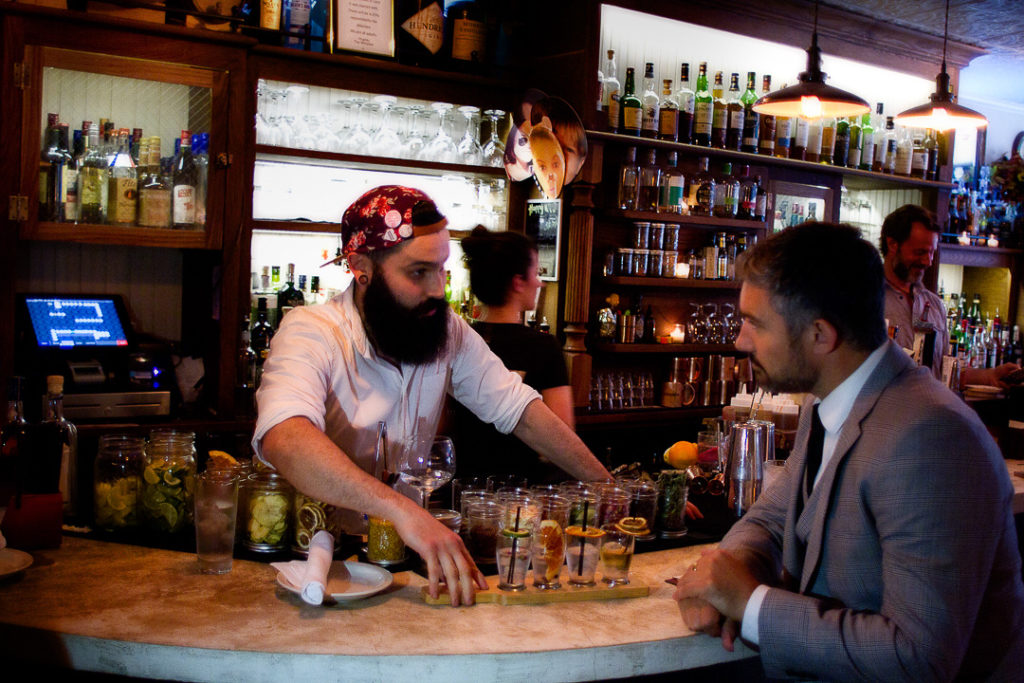
I once attended a client reception in a gin-focused venue where the original plan was for everyone to order individually at the bar. It became clear within ten minutes that this would create a queue and split the group. The staff noticed, stepped in, and offered to start a running tab with tray service for the first round while circulating a concise recommendation list. That single adjustment changed the shape of the evening. Instead of guests hovering in line, they were talking.
That kind of attentiveness is easier in venues where the drinks program is central and the staff are used to guiding choices. It also makes hosts look more organized than they may feel.
A Gin Bar adapts well to different kinds of gatherings
Not every group event has the same emotional goal. A retirement toast is different from a hen party, and both differ from a networking evening or a family celebration. Yet a Gin Bar can flex across these occasions more readily than many venue types.
For professional gatherings, it offers polish without excessive formality. Clients and colleagues can enjoy a setting that feels intentional but not stuffy. For birthdays and anniversaries, it creates a celebratory mood without requiring a full banquet. For reunions, it provides enough atmosphere to feel like an occasion while still letting conversation remain the main event.
Even for smaller groups, perhaps six to twelve people, a gin bar often lands better than a large restaurant because it does not expose the group’s size. In a cavernous dining room, a table of eight can feel oddly isolated. In a lively bar, the same eight feel part of the energy of the room while still having their own space.
There are trade-offs, of course. Not every gin bar is suitable. Some lean too heavily into late-night volume and become difficult for conversation after a certain hour. Others treat food as an afterthought or pack tables too tightly for genuine comfort. The category is strong, but venue selection still matters. The best choice is a place that understands gatherings rather than merely tolerates them.
What to look for before you book
If you are choosing a Gin Bar for a group, a little homework goes a long way. The right venue will make the event look effortless. The wrong one will leave you apologizing to guests while pretending everything is fine.
Here are a few things worth checking in advance:
- Ask about noise levels at the exact time you plan to meet, because a calm 6 p.m. Room can become a very different space by 8:30.
- Confirm whether the venue offers table service, standing space, reserved seating, or a combination, since group comfort depends heavily on layout.
- Review the non-gin and non-alcoholic options, especially if your guest list includes mixed preferences.
- Check the food format carefully, whether it is full dining, bar snacks, or shared plates, and whether that suits the purpose of the gathering.
- Clarify spend minimums, time limits, and any service charges before invitations go out.
Those details may sound mundane, but they are often what separate a smooth evening from a stressful one. Guests remember atmosphere and hospitality. Hosts remember surprises on the bill and nowhere to put coats.
The sensory side matters more than people expect
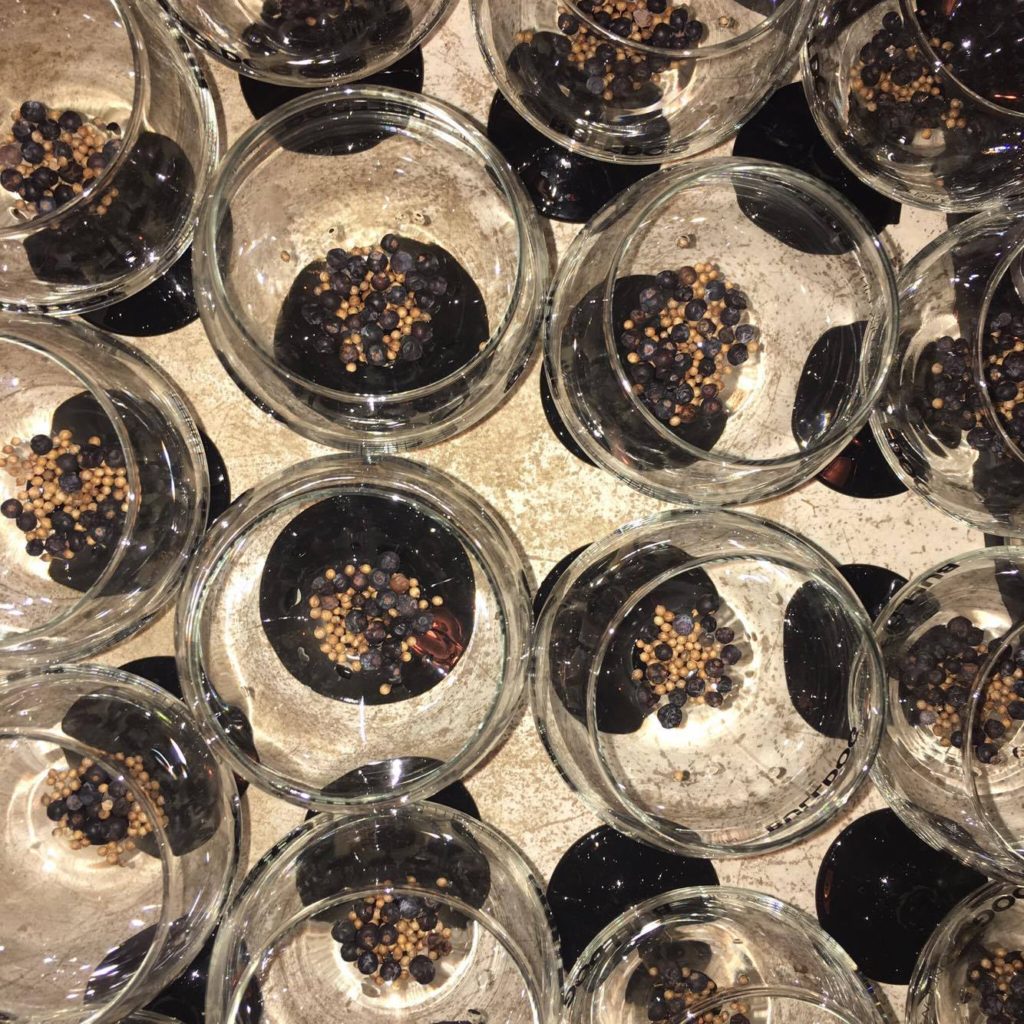
There is also something less tangible, but no less important, about why a Gin Bar works. Gin is aromatic. Citrus peel, juniper, herbs, spice, florals, cracked pepper, rosemary, basil, cucumber, smoke, saline notes, these are not abstract menu words when the drinks are made properly. They create a sensory experience that engages people before the first sip.
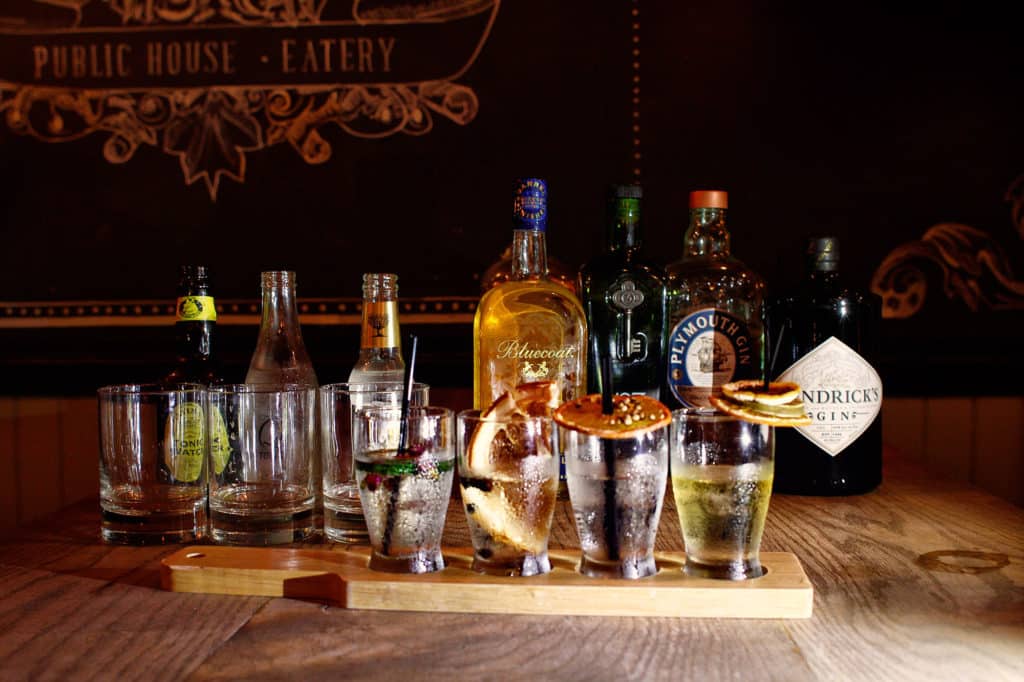
That may seem like a small point, yet for gatherings it is powerful. Shared sensory moments anchor memory. People remember the oversized copa glasses beading with condensation, the sharp scent of grapefruit expressed over the rim, the tray of drinks arriving with each serve slightly different. Those details create atmosphere in a way that generic drinks often do not.
Good hosting is partly about giving people something memorable to hold onto. Not a gimmick, not a stunt, just an experience with enough texture to feel distinct. A Gin Bar offers that almost by default.
When it may not be the right fit
There are circumstances where another venue makes more sense. If your group wants a long, formal meal with speeches and a fixed seating plan, a dedicated restaurant or private dining room may serve you better. If your guests strongly prefer beer, wine, or a broad spirits program over curated gin serves, forcing the theme can feel misplaced. If accessibility, acoustics, or family-friendly requirements are central, some bars may fall short unless they have a well-designed layout and earlier service window.
It is also worth being honest about group behavior. If you know the event is likely to become rowdy quickly, choose a venue that can absorb that energy without unsettling other guests or compromising service. Some gin bars are serene and intimate. Others are built for larger social crowds. Matching the room to the group is a matter of judgment, not taste alone.
Still, for the wide middle of gatherings, the ones where people want to relax, connect, celebrate, and enjoy something a little more thoughtful than the standard night out, a Gin Bar Gin Bar remains one of the strongest options available.
Why hosts keep coming back to the format
After enough group events, patterns become hard to ignore. Hosts return to venues that reduce friction. They choose places where guests find something they like, where the room carries its own energy, where service guides rather than interrupts, and where the night can unfold without constant intervention.
A good Gin Bar does all of that.
It gives a gathering identity without forcing a theme. It offers variety without sacrificing focus. It feels occasion-worthy without becoming stiff or expensive for the sake of appearance. Perhaps most importantly, it helps mixed groups find common ground. People arrive with different expectations and still manage to settle into a shared evening.
That is what makes it ideal. Not novelty for novelty’s sake, but a practical, stylish, and genuinely social setting that understands how groups actually spend time together. When a venue can support conversation, accommodate different tastes, and add a little ceremony to the ordinary act of meeting up, it stops being just a place to drink. It becomes part of why the gathering worked.
The Winslow
243 E 14th St
New York, NY 10003, United States
Phone: +1 212-777-7717
FAQ About Gin Bar
How to do a gin tasting?
Start with a small pour and gently smell the gin before taking a small sip. Notice its juniper, citrus, floral or spice notes, then compare how the flavor changes with a little water or tonic. At a gin bar, ask the bartender to explain the selection and botanical pairings.
How to make the best tasting gin and tonic?
Use chilled gin, fresh tonic and plenty of ice. A common starting ratio is one part gin to two parts tonic, adjusted to taste. Choose a garnish that complements the gin's botanicals and stir gently to preserve the bubbles.
What is the smoothest tasting gin?
There is no single smoothest gin for everyone. Perceived smoothness depends on the botanical recipe, alcohol strength, serving temperature and mixer. Describe whether you prefer citrus, floral, herbal or juniper-forward flavors so a bartender can suggest a suitable style.