The Best Group Night Ideas at a Gin Bar NYC
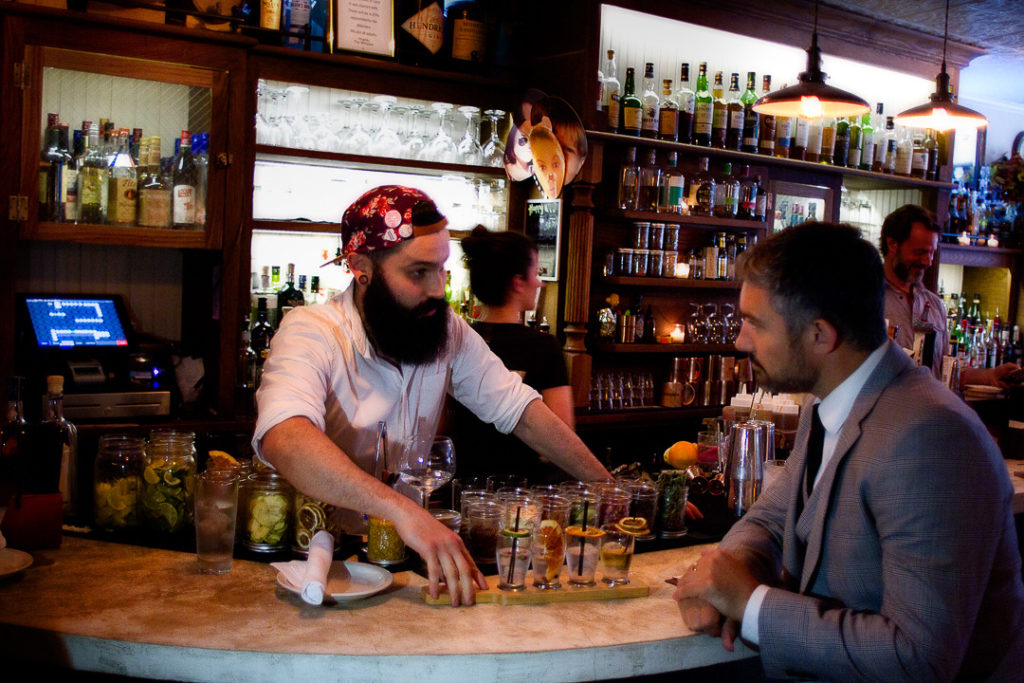
New York is one of the few cities where a group night can feel effortless and ambitious at the same time. People arrive from different neighborhoods, different jobs, different moods. Someone wants a serious cocktail, someone else wants good snacks and a place to talk, and at least one person is hoping the night does not turn into a chaotic bar crawl by 10 p.m. That is exactly why a well-chosen gin bar works so well.
A strong gin bar NYC crowd gravitates toward usually has range built into it. Gin is flexible in a way that many spirits are not. It can be bright and citrusy, herbal and savory, floral, peppery, or lean and bone-dry. That gives a group more room to play. The person who loves a crisp martini can find their lane. The guest who usually orders lighter spritzes can still feel comfortable. The friend who says they do not like gin often changes their mind after one properly balanced drink.
Group nights also live or die on atmosphere. You need enough energy to feel like you are out in New York, but not so much noise that half the table spends the evening saying, “What?” Gin bars tend to hit that middle ground well. The better ones understand pacing, service, and the small but important details that matter when six, eight, or twelve people are trying to have a memorable night together.
The best nights do not happen by accident, though. A great group outing at a gin bar is usually the result of one smart idea and a few practical decisions made early. The format matters. The size of the party matters. Even the time you book can change the whole tone of the evening. If you are planning a birthday, a client evening, a team social, or just an overdue catch-up with friends, a little structure goes a long way.
Why a gin bar works better than the default group plan
A lot of group plans in the city fall into one of two traps. The first is overplanning. There is a dinner reservation at 7:00, a second stop at 9:00, live music at 10:30, and by 8:15 three people are already late and one person is texting that they may not make it at all. The second trap is no plan whatsoever. Everyone meets “somewhere downtown,” the first bar is packed, the second is too loud, and the night becomes a string of compromises.
A gin bar offers a cleaner solution. It can hold a whole evening without feeling static. People can settle in with a classic G and T, move into martinis, share small plates, maybe order one more round built around a seasonal menu. There is movement in the experience even if the group stays in one place. That is a major advantage in New York, where travel time between neighborhoods can quietly drain the energy out of a night.
There is also a certain built-in sophistication to gin that helps group events feel intentional without becoming stiff. You do not need a dress code or a formal agenda. A few thoughtful cocktails, a table with enough space, and a staff that knows the back bar can make a routine Friday feel elevated.
The best formats for a group night
Not every group wants the same kind of evening. The strongest plan usually starts by being honest about the people involved. A team from work after a product launch needs a different setup than a thirtieth birthday. A reunion of old friends may want more conversation and less performance. A casual dating crowd may want enough structure to avoid awkward lulls.
Here are a few formats that consistently work well at a gin bar:
- A gin tasting night with three or four contrasting styles, ideal for curious groups who want the evening to revolve around discovery.
- A martini-focused celebration, which suits birthdays, promotions, and nights where the mood should feel polished and a little glamorous.
- A gin-and-small-plates gathering, better for mixed groups where some people want to drink lightly and others want a fuller dinner replacement.
- A progressive cocktail evening at one venue, starting with lower-proof drinks and moving into bolder serves as the night develops.
- A private or semi-private social with a preset menu, which is often the easiest route for corporate groups or larger birthday parties.
The reason these formats work is simple. They give the night shape. People relax when they understand what kind of evening they are walking into. That does not mean it has to feel rigid. It just means the host has made enough decisions that the group can enjoy itself.
The tasting night that wins over skeptics
If your group includes a mix of cocktail enthusiasts and casual drinkers, the tasting format is often the safest bet. It creates focus without demanding expertise. Most people enjoy comparing flavors when the comparison is easy to grasp. Even guests who cannot tell you much about botanicals will notice that one gin leans citrus-forward while another smells like herbs and spice.
I have seen this work especially well for groups of six to ten. That size is large enough to generate conversation and small enough that the staff can still guide the experience smoothly. The sweet spot is a short progression, usually three pours or three cocktails. More than that and the novelty starts to wear off, especially if food is delayed or the group arrived hungry.
A smart host frames the tasting in approachable terms. Instead of asking people to analyze every note, give them something tangible to react to. Which one feels the freshest? Which would you want in a martini? Which tastes best with food? These are low-pressure questions, but they keep the table engaged.
If the bar allows it, pairing each round with a small bite can make the whole evening feel far more substantial. Salty snacks, citrus accents, oysters, fried bites, or even a good plate of olives can change how a gin reads in the glass. That is one of the pleasures of a proper gin bar. The spirit does not have to be treated as precious. It can be elegant and social at the same time.
The martini night for birthdays and milestones
When the goal is celebration, few drinks set the tone like a martini. It signals occasion immediately. Even people who do not usually order one tend to lean into the ritual, the chilled glass, the garnish, the sense that the night matters a little more than usual.
A martini-centered evening works best when the bar has a confident hand. The issue is not whether the menu includes several martinis. The issue is whether the staff can execute them consistently for a group. There is a difference between making one excellent martini at the rail and sending out eight that are all cold, balanced, and correct. Good places can do it. Average places struggle.
This is where a bit of advance communication helps. If you are booking for a larger party and you know the table will start with martinis, mention it. The bar team can prepare. Service gets smoother, and the first round arrives with less lag. That keeps the group in a good mood from the start.
For birthdays, I usually like the martini night paired with a second act. Start with the classic tone setter, then let the table loosen up with more playful gin drinks after the first round. That shift matters. A room full of people ordering martinis all night can tip into performance. One round establishes the mood. The next round keeps the night alive.
A work social that does not feel like work
Corporate gatherings often fail because they are trapped between two bad options. Either they are so formal that nobody relaxes, or they are so loose that the event loses all sense of purpose. A gin bar can thread that needle well, especially for smaller teams, leadership dinners, client meetings, or post-conference gatherings.
The secret is to choose a format that encourages movement without forcing it. Standing room only sounds lively on paper, but it is rough for real conversation. Full seated dinners can feel too rigid if the intent is social rather than ceremonial. In practice, semi-private space with a mix of seating and standing usually performs best.
Preset menus are underrated here. They simplify ordering, help control cost, and avoid the awkwardness of one person trying to expense twenty separate tabs. If the venue offers a welcome cocktail and a concise food package, you have already solved most of the logistical headaches. Guests can still order additional drinks individually if they want to continue.
For professional groups, a gin bar also sends a useful message. It feels considered. It suggests hospitality rather than excess. That matters in New York, where clients and colleagues often have high standards and limited patience for gimmicks.
The catch-up night that stays easy
Not every group night needs a hook. Sometimes the best idea is simply to create the conditions for good conversation. In that case, the bar choice matters more than the drink concept. You want warm service, enough table space, and music that creates atmosphere without swallowing the room.
Gin bars often excel here because the pace is naturally better. People tend to sip gin cocktails rather than rush through them. The menu invites browsing. There is usually enough variation that the second round feels like part of the conversation. “Try this one” becomes an easy social bridge. That is especially useful when the group includes people who do not know each other well yet.
For a low-pressure catch-up night, earlier reservations are usually better. Somewhere between early evening and prime-time rush often gives you the best of both worlds. The room has energy, but the staff still has bandwidth. Drinks arrive faster. You can actually hear the person across from you. By the time the later crowd rolls in, your group is settled and the night has found The Winslow Gin Bar NYC its rhythm.
What to ask before you book
Small details can make or break a group night. Before you commit to a venue, it helps to ask a few direct questions. You do not need a long checklist, just enough to avoid preventable problems.
- Is there a minimum spend, and does it change based on time, day, or table size?
- Can the bar accommodate separate tabs, or is one payment required for larger parties?
- Is there a semi-private area, or will the group be seated in the main room?
- Can the venue offer a short preset cocktail or food menu for groups?
- How long is the reservation held, and what happens if part of the group is late?
These questions sound basic, but they reveal a lot. If the answers come quickly and clearly, that is usually a good sign. If everything feels vague, it often stays vague on the night itself.
Matching the night to the size of the group
A party of four behaves very differently from a party of fourteen. That sounds obvious, but people plan both as if the same strategy applies. It does not.
Smaller groups can be more spontaneous. You can order à la carte, change seats a little, linger over one great cocktail, and let the evening evolve. A gin bar with a narrow but thoughtful menu can shine in that setting. The staff may have time to recommend a less familiar bottle or tweak a drink based on preference.
Once you get into the eight-to-twelve range, planning matters more. The group starts to function as a unit. Drink timing, table shape, food flow, and acoustics all have outsized impact. Round service becomes important because staggered drinks can split the table’s attention. Sharing plates either becomes a bonding point or a logistical mess, depending on how well the venue handles it.
Larger groups, especially anything beyond twelve, almost always benefit from some version of preselection. That does not mean guests lose freedom. It just means the host chooses the broad framework ahead of time. The best version of that plan still leaves room for personality, perhaps a welcome gin highball, a choice between two signature cocktails, then open ordering later in the evening.
The food side matters more than people think
One reason group nights at cocktail bars sometimes go sideways is that people underestimate hunger. A group that arrives straight from work with empty stomachs does not want to “graze lightly” for very long. The first round hits hard, attention fades, and suddenly the night is less charming than expected.
A good gin bar usually understands this and offers food that supports drinking without feeling secondary. Crisp fried items, seafood, cured meats, cheeses, pickled vegetables, and sharp citrus flavors often pair well with gin because they echo or contrast the botanicals in a useful way. Even simple items can feel luxurious if they are timed correctly and served with care.
The practical point is this: if your group plans to drink more than one round, order food early. Do not wait until everyone feels it. That is one of the easiest ways to keep the night balanced and the conversation lively.
Timing, pacing, and the flow of the room
New York bar culture is shaped by timing more than many people realize. The same venue can feel polished and intimate at 6:30, animated and social at 8:30, and nearly impossible for conversation at 10:15. None of those versions is inherently bad, but they suit different objectives.
If the night is about talking, learning, or introducing people to each other, book earlier. If it is about energy and celebration, later can work well, assuming the group is ready for more volume and movement. The mistake is choosing a time that fights your purpose.
Pacing inside the evening matters too. One of the cleanest structures for a group night at a Gin Bar NYC venue is to think in arcs rather than hours. The first arc is arrival and reset. People come in from trains, taxis, offices, and weather. Give that moment room. The second arc is the shared experience, maybe the tasting, the first martini round, or the opening spread of snacks. The final arc is freedom. At that point some people stay for one more drink, some shift to dessert elsewhere, and some head home. A night that respects those natural transitions feels smoother than one that tries to force everyone into the same mood from start to finish.
When themed nights help, and when they do not
Themes can be useful, but only if they serve the group rather than overshadow it. A “gin around the world” concept, for example, can be excellent for a birthday if the bar already has the range to support it. A menu built around London dry, contemporary American styles, Japanese gin, or Mediterranean botanicals gives the night shape and conversation.
But themes become exhausting when they demand too much participation. Matching outfits, elaborate rules, or a long educational spiel can weigh down the room. Most adults want a touch of structure, not a full performance. In my experience, the best themed group nights feel like a suggestion rather than an assignment.
That is one reason a gin bar works so well. The spirit itself provides enough character to unify the evening. You do not need much more than that.
Budget reality, without making the night feel cheap
Group nights in New York are never only about taste. They are also about cost. Good planning protects the mood here as much as the wallet. Nothing sours a celebration faster than a bill that surprises half the table.
The easiest way to keep things comfortable is to set expectations early. If it is a hosted event, say so. If everyone is paying their own way, mention whether the venue tends to be moderate or premium. If there is a preset package, share the details before guests arrive. Most people are perfectly happy to spend for quality when they know the frame.
Gin bars can actually be a smart value choice relative to some trend-driven nightlife spots. You are paying for craft, atmosphere, and service, but often with more substance and less theater. A well-made gin cocktail has integrity. It feels worth the price when the ingredients, glassware, and execution are right.
The details people remember the next day
Very few guests remember every drink. They remember moments. The first tray arriving cold and sparkling. The friend who swore they hated gin and then stole sips from everyone else’s glass. The server who recommended a citrus-forward cocktail that somehow pleased the whole table. The relief of finding a place where the group could actually talk.
Those details are not random. They come from choosing a venue that knows how to host people, not just pour drinks. The best gin bar experiences in New York succeed because they balance style with competence. They understand that a group night needs both.
That is ultimately why a gin bar makes such a strong setting for birthdays, work socials, reunions, and casual gatherings alike. The spirit has range. The bars that specialize in it tend to care about craft. And when the room, the service, and the pacing all line up, the evening feels generous without becoming complicated.
A great group night does not need ten moving parts. It needs one good room, one reliable plan, and drinks that give people something to talk about. In New York, that is often more than enough.
The Winslow
243 E 14th St
New York, NY 10003, United States
Phone: +1 212-777-7717
FAQ About Gin Bar NYC
How to do a gin tasting?
Start with a small pour and gently smell the gin before taking a small sip. Notice its juniper, citrus, floral or spice notes, then compare how the flavor changes with a little water or tonic. At a gin bar, ask the bartender to explain the selection and botanical pairings.
How to make the best tasting gin and tonic?
Use chilled gin, fresh tonic and plenty of ice. A common starting ratio is one part gin to two parts tonic, adjusted to taste. Choose a garnish that complements the gin's botanicals and stir gently to preserve the bubbles.
What is the smoothest tasting gin?
There is no single smoothest gin for everyone. Perceived smoothness depends on the botanical recipe, alcohol strength, serving temperature and mixer. Describe whether you prefer citrus, floral, herbal or juniper-forward flavors so a bartender can suggest a suitable style.